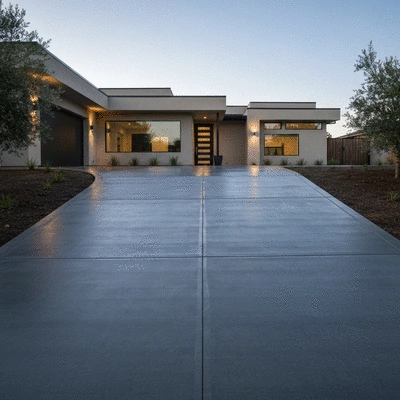
Concrete Driveway Installation Guide Canberra
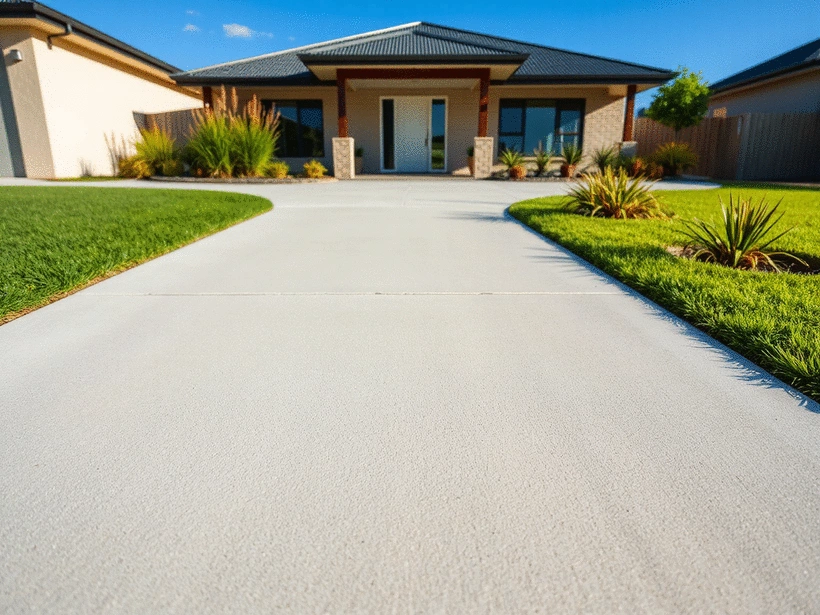
Statistics reveal that nearly 60% of concrete driveway installations face issues due to a lack of understanding of local guidelines and preparation. Don't let your project become part of this statistic!
What You Will Learn
- Understanding local building codes and requirements is essential for a successful installation.
- Assessing soil conditions is critical as Canberra features clay and sandy soils that impact stability.
- Weighing the pros and cons of DIY vs. professional installation can save you time and money.
- Proper subgrade compaction is vital for a stable and durable driveway foundation.
- Selecting the right materials and tools streamlines the installation process and enhances results.
Concrete Driveway Installation Journey in Canberra
Understanding the key stages of concrete driveway installation—from initial assessment to final maintenance—ensures a durable and compliant result.
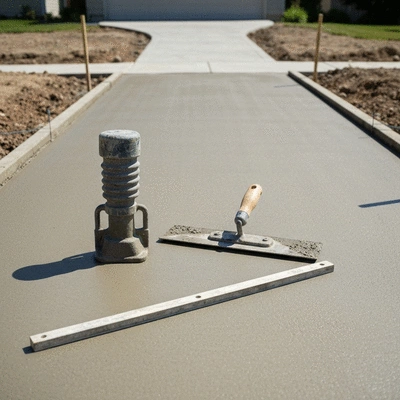
1. Initial Assessment & Planning
Understanding local building codes, assessing soil conditions (clay/sandy), considering the slope for proper drainage, and deciding between DIY or professional installation based on cost, complexity, and risks.
2. Preparation Steps
- Gathering essential materials (concrete mix, rebar/wire mesh).
- Obtaining necessary permits (ACT regulations).
- Critical subgrade compaction for stability.
3. Installation & Finishing
- Excavation, forming, and pouring concrete.
- Proper finishing techniques for aesthetics.
- Curing process to achieve maximum strength.
4. Post-Installation & Maintenance
Understanding ongoing maintenance for longevity and appearance. Regular cleaning and sealing protect against weathering and wear, ensuring long-term durability.
Understanding the Concrete Driveway Installation Process in Canberra
When it comes to installing a concrete driveway, understanding the installation process is crucial. Not only does it help you make informed decisions, but it also ensures compliance with ACT regulations and local conditions. Trust me, skipping this step can lead to problems down the line, from drainage issues to costly fines!
Before diving into your project, it’s essential to familiarize yourself with all the necessary guidelines. This knowledge will not only save you time and money but also help you achieve the best results for your beautiful new driveway!
What You Need to Know Before Starting Your Project
Before you even think about grabbing a shovel, take some time to assess what your project entails. Are there specific regulations from the local council that you need to follow, such as those outlined in the Municipal Infrastructure Standards (MITS)? What about the impact of Canberra's unique climate? These factors can't be overlooked!
- Understanding local building codes and requirements
- Considering the slope for proper drainage
- Identifying soil conditions and how they affect installation
With these points in mind, you'll be well-equipped to start your project on the right foot. Knowledge is indeed power when it comes to driveway installations!
Assessing Your Driveway Needs: DIY vs. Professional Installation
Now that you’ve familiarized yourself with the local guidelines, let’s talk about whether to tackle this project yourself or hire a professional. There are several factors to consider, including cost, complexity, and the potential risks involved.
- Cost: DIY might save you money initially, but don’t forget the value of your time and expertise.
- Complexity: If you’re not experienced with concrete work, the process could become overwhelming.
- Potential Risks: Poor installations can lead to cracks and other issues, costing you more in the long run.
Ultimately, weigh these factors against your skills and resources. If you feel confident in your abilities, a DIY approach can be rewarding. However, if you want peace of mind and a guarantee of quality, hiring a professional from Concrete Solutions Canberra might be your best option!
Preparation Steps for Concrete Driveway Installation
Canberra-Specific Requirements: Soil, Climate, and Regulatory Guidelines
Let’s dive into the specific preparation steps for installing your driveway in Canberra. First up, understanding the local soil types. Canberra typically features clay and sandy soils, both of which have different implications for your installation. Clay, for instance, expands when wet and shrinks when dry, which can affect your driveway’s stability.
Additionally, you’ll need to familiarize yourself with local council guidelines. Permits are often required, and understanding the process for driveway applications can save you a lot of headaches down the line!
Gathering Materials and Tools for Your Project
Once you’ve sorted out the requirements, it’s time to gather the necessary materials and tools. Ensuring you have everything at hand will make the installation process smoother and more efficient. Here’s a list of essentials:
- Concrete mix
- Rebar or wire mesh
- Shovels and rakes
- Concrete mixer
- Vibrating plate compactor
Having the right tools is the backbone of a successful installation. A well-prepped workspace ensures you can focus on the task at hand without unnecessary interruptions!
Understanding the Importance of Subgrade Compaction
Finally, let’s talk about one of the most critical steps in the preparation process: subgrade compaction. Properly compacting the subgrade creates a stable foundation for your driveway, reducing the risk of cracking and shifting over time.
Make sure to take the time to do this step right. It may seem tedious, but it’s vital for the long-term durability of your driveway. After all, a little extra effort now means less hassle later on!
Pro Tip
Did you know? Properly planning your concrete driveway installation can save you time and money. Before starting, take the time to measure your driveway space accurately and plan for any potential obstacles like trees or utilities. This foresight helps ensure a smoother installation process and prevents costly mistakes down the line!
Frequently Asked Questions About Concrete Driveway Installation in Canberra
Summarizing Your Concrete Driveway Installation Journey
As we come to the end of our exploration into the concrete driveway installation process, it’s important to recap the essential steps to ensure a successful project. From understanding local regulations in Canberra to selecting the right materials, every stage plays a vital role in achieving a durable and aesthetically pleasing driveway. Remember, proper preparation is key!
Here’s a quick summary of what we’ve covered:
- Assessing your driveway needs: Choosing between DIY and professional installation.
- Preparation steps: Understanding soil types and local regulations.
- Installation process: Excavation, forming, and pouring techniques.
- Finishing and curing: Ensuring maximum strength and longevity.
- Maintenance tips: What to expect post-installation.
By following these steps and considering local conditions, you’ll set yourself up for a successful concrete driveway that enhances your home’s curb appeal and functionality.
Taking the Next Steps for Your Driveway Project
Now that you have a solid understanding of the concrete driveway installation process, it’s time to take action! Evaluate your options carefully—consider whether you want to take on the challenge yourself or hire a professional. If you’re leaning toward DIY, ensure you have all the necessary materials and tools ready. A little preparation goes a long way!
If you prefer to hire experts, I encourage you to reach out for professional estimates. At Concrete Solutions Canberra, we’re here to assist you with any questions or concerns you might have. Whether you’re looking for advice on material choices or wish to discuss your project in detail, don’t hesitate to contact us!
Let’s transform your driveway into a stunning, durable surface that adds value to your property. Ready to get started? Reach out today!
Recap of Key Points
Here is a quick recap of the important points discussed in the article:
- Familiarize yourself with local building codes and requirements before starting your concrete driveway project.
- Consider the benefits and drawbacks of DIY vs. professional installation based on cost, complexity, and potential risks.
- Understand local soil types and climate conditions, as they greatly influence the installation process.
- Gather all necessary materials and tools ahead of time to ensure a smooth installation process.
- Prioritize proper subgrade compaction to create a stable foundation and reduce the risk of future issues.